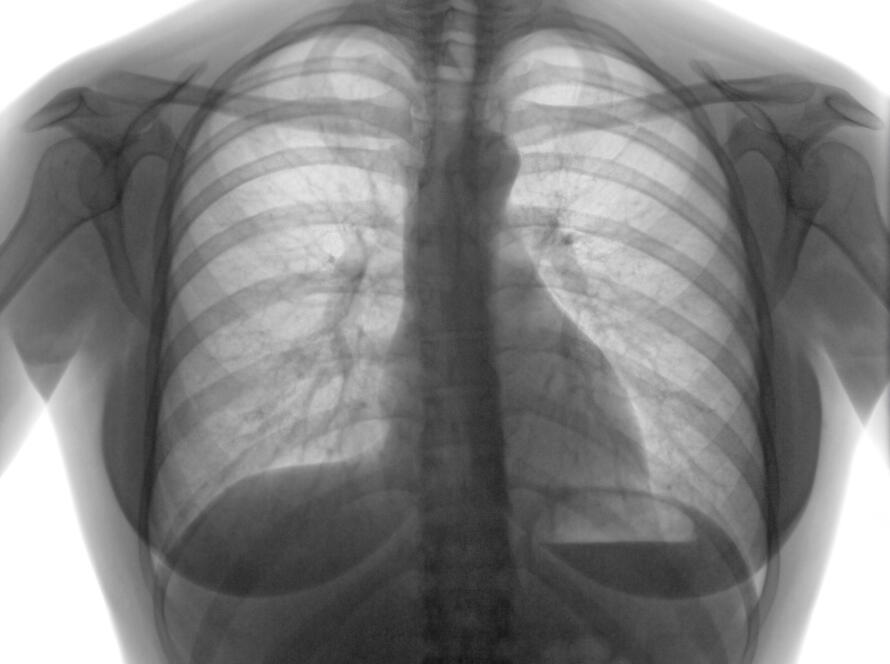
Answer: Absolutely not. The vast majority of nodules are only monitored. The decision for surgery is only made for nodules where the suspicion of cancer is strong or those that grow during follow-up.
Not every lung nodule is cancer. In fact, the majority of detected nodules are scars left from past infections or benign formations. However, the distinction between which is "innocent" and which is "risky" must be made by a Thoracic Surgery specialist, using a multidisciplinary approach (tumor board evaluations) if necessary. Especially regarding the lungs, it should be kept in mind that every nodule could be cancer until proven otherwise (only through radiological opinion, follow-up, or cellular diagnosis).
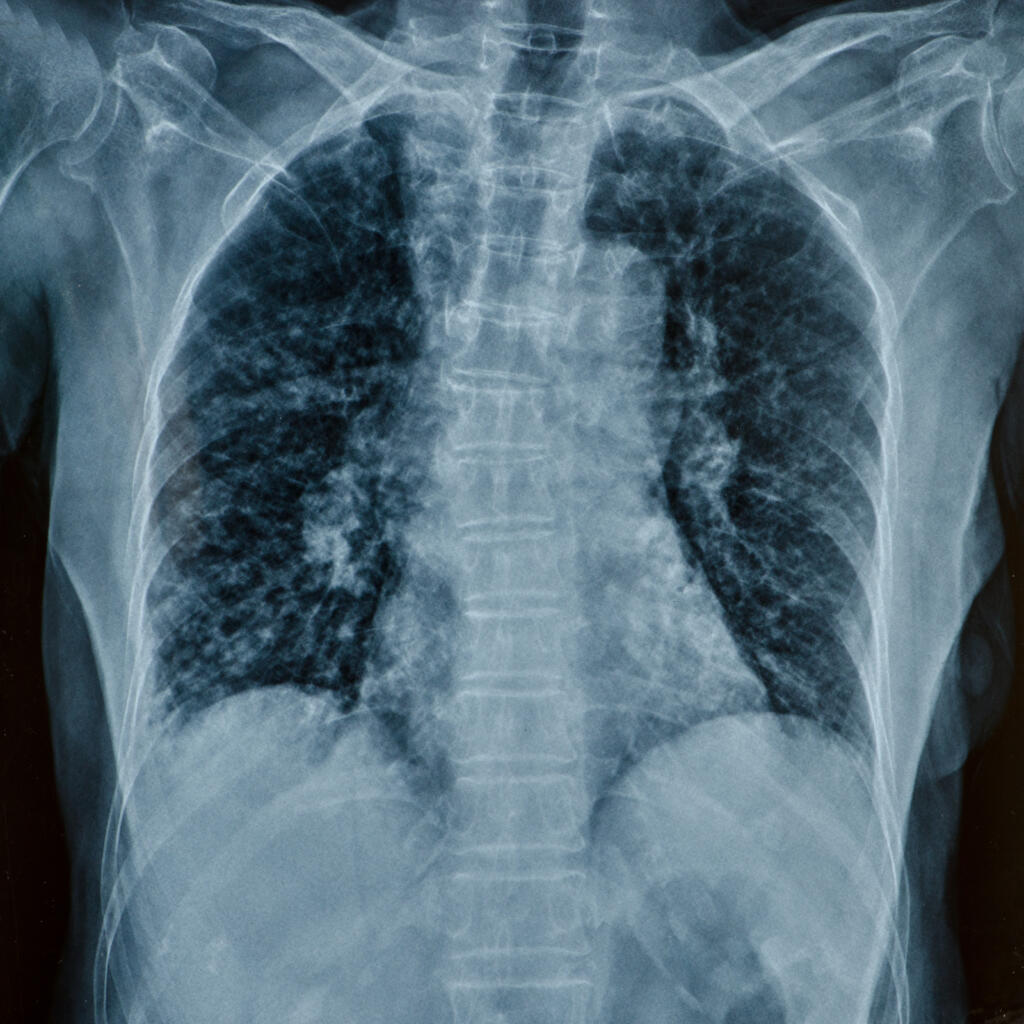
What is a Lung Nodule? Why does it form?
A lung nodule is a round or oval-shaped spot located within the lung tissue, typically less than 3 cm in diameter. In countries like Turkey, where tuberculosis and various lung infections were common in the past, it is quite natural to encounter calcified nodules in the lungs. These are generally like "scars" left from an old battle in our body and do not require treatment.
Furthermore, especially in female patients, even if they have never smoked, areas we call ground-glass opacities (GGO) may be found incidentally on a chest CT scan. These areas should be thought of like moles on the skin. Long-term follow-up by eyes with radiological experience may be required.
Aside from these, nodules can result from:
- Infections (Pneumonia, etc.)
- Hamartomas (Benign tumors)
- Rheumatological diseases
- Lung Cancer (Early stage)
Which Nodules are Considered Risky? (When to worry?)
When deciding whether a nodule is risky, we look at the "whole picture" rather than a single criterion. The factors we consider risky are roughly as follows:
- Patient age and smoking history: We approach nodules detected in individuals over the age of 50 who have smoked for a long time (or are still smoking) with more suspicion.
- Nodule size and growth rate: An increase in the size of a monitored nodule or a change in its shape requires further investigation.
- strong>Shape of the nodule: Nodules with irregular, frayed (spiculated) edges, those causing retraction in the neighboring pleura, causing enlargement in the lymph nodes, or those containing both solid and ground-glass appearances should be examined more closely.
How does the Diagnosis and Follow-up Process Work?
At the Marmara University Faculty of Medicine Thoracic Surgery clinic, we evaluate our patients with nodules according to international guidelines.
- Observation (Active Surveillance): If the nodule is very small (e.g., 4-6 mm) and bears benign characteristics, we monitor it with low-dose CT scans at specific intervals (3 months, 6 months, 1 year).
- PET-CT Scan: If the nodule is large (usually over 8-10 mm) and looks suspicious, we request a PET-CT to see its metabolic activity (sugar uptake).
- Biopsy or Surgery: If there is a high probability that the nodule is cancerous, instead of performing a needle biopsy, we may prefer to remove that nodule via the closed method (VATS) and send it for pathology (Frozen Section) during the surgery. This way, both a diagnosis is made, and if it is cancer, the treatment is completed in the same session.
Frequently Asked Questions – FAQ
Question: Does a lung nodule cause pain?
Answer: No, lung nodules generally do not show any symptoms and do not cause pain. They are mostly found incidentally on scans taken for another reason.
Question: If a biopsy is performed, will the nodule spread?
Answer: No, the risk of a tumor spreading through biopsies performed with modern medical methods is negligibly low. However, to accelerate the diagnosis and treatment process for lung nodules, we sometimes prefer a surgical biopsy—where the entire nodule is removed—instead of a needle biopsy.
Question: Should every nodule be operated on?
Cevap: Absolutely not. The vast majority of nodules are only monitored. The decision for surgery is made only for nodules with a strong suspicion of cancer or those that grow during follow-up.
*This content was produced by Dr. Eyüp Halit Yardımcı for patient information purposes and does not serve academic objectives.