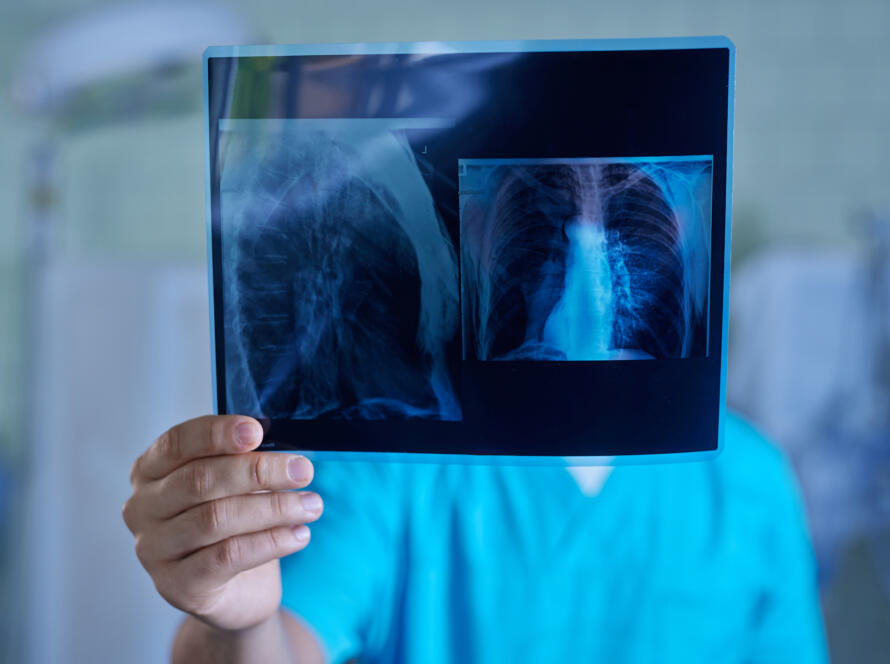
Receiving a diagnosis of lung cancer marks the beginning of a challenging journey for patients and their loved ones. However, thanks to advancing surgical technologies, lung operations no longer have to be performed using the daunting and taxing "open" methods of the past.
The method known in medical literature as VATS (Video-Assisted Thoracic Surgery), and commonly referred to as "closed lung surgery," is a minimally invasive surgical procedure performed without cutting the ribs, thereby preserving the structure of the chest wall. This method, which we frequently perform at the Marmara University Faculty of Medicine Thoracic Surgery clinic, aims to ensure that patients recover from cancer without compromising their quality of life.
What is closed lung surgery (VATS) and how is it performed?
In traditional open surgeries (thoracotomy), the surgeon must make a large incision and spread the ribs apart to reach the lung. This is the primary cause of uncontrollable postoperative pain.
In the VATS method:
- Only one or several small incisions are made in the chest wall.
- A camera that allows us to see the interior with high resolution is placed through one of these incisions.
- Specialized surgical instruments are inserted through the other incisions to remove the diseased lung tissue.
Since the ribs are not strained during this process, tissue damage remains at a minimum.
Why the closed method? What are the advantages of VATS?
Scientific studies and our clinical experience reveal the following advantages of the closed method over open surgery in suitable patients:
- Faster transition to chemotherapy: If additional treatment (chemotherapy/radiotherapy) is required, the patient recovers quickly, allowing these treatments to begin without losing time.
- Less pain: Since the ribs are not cut or spread, postoperative pain is significantly lower.
- Faster recovery: Our patients are generally discharged within 3-4 days after the operation.
- Fewer complications: The risk of infection is lower.
- Aesthetic appearance: Instead of large surgical scars, only small, barely noticeable marks remain.
Who is a candidate for this surgery?
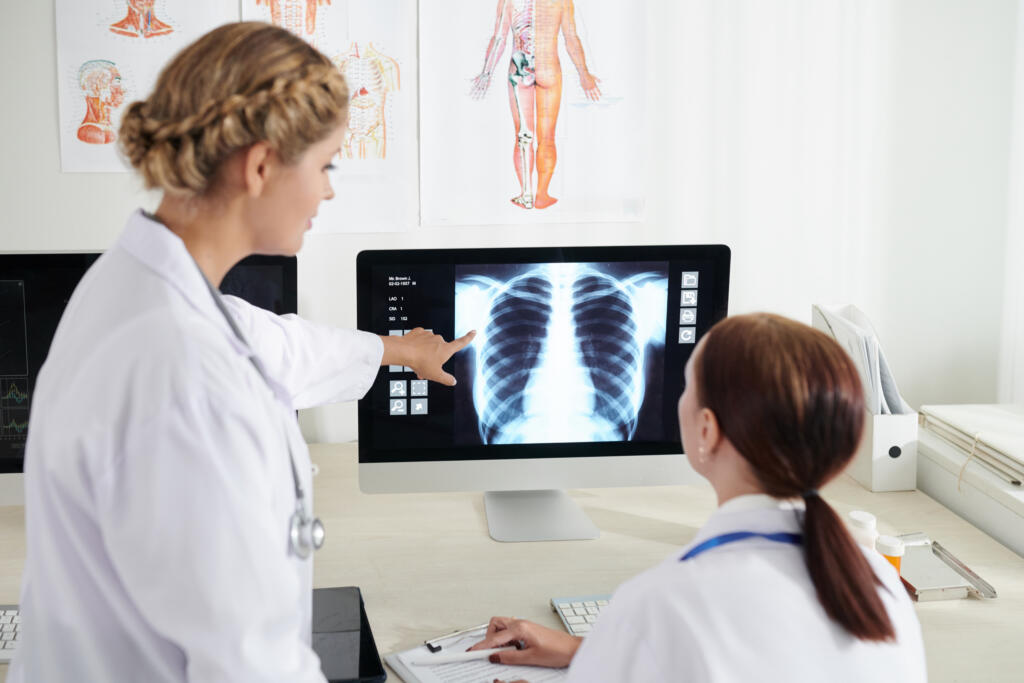
The closed method is the gold standard, especially for early-stage lung cancer patients. The decision is made by evaluating the size and location of the tumor, as well as the patient's overall health status. In advanced-stage tumors or cases involving major blood vessel involvement, open surgery may be preferred. We decide together which method is suitable for you following detailed CT and PET-CT examinations.
Frequently Asked Questions – FAQ
Question: Can cancerous tissue be completely cleared in closed surgery?
Answer: Yes. Oncological principles are never compromised in the closed method. The cancerous area and the relevant lymph nodes are completely removed, just as they would be in open surgery.
Question: How long does the surgery take?
Answer: While it varies depending on the scope of the procedure, it takes an average of 2-3 hours.
Question: When can I return to my normal life after surgery?
Answer: Our patients usually start walking on the evening of or the day after the surgery. While returning to desk jobs takes an average of 2-3 weeks, full recovery for more active work may take 4-6 weeks.
*This content was produced by Dr. Eyüp Halit Yardımcı for patient information purposes and does not serve academic objectives.