An Academic Approach to Thoracic Surgery
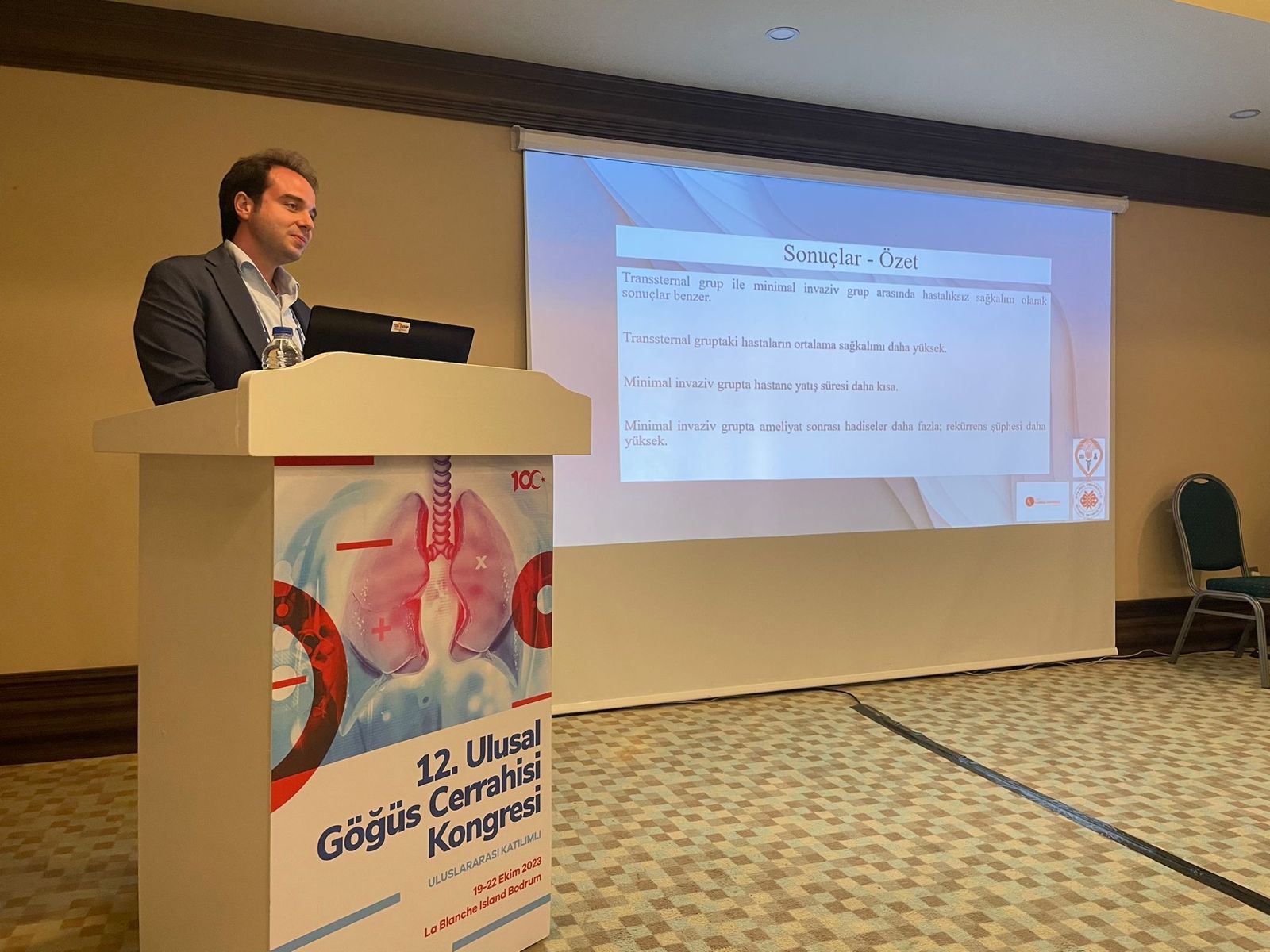
Dr. Öğr. Üyesi E. Halit Yardımcı, tıp eğitimini Yeditepe Üniversitesi’nde tamamlamış olup, halen Marmara Üniversitesi’nde göğüs cerrahisi alanındaki klinik ve akademik çalışmalarını sürdürmektedir.
Born in 1986 and raised in Kadıköy, Istanbul, Dr. Eyüp Halit Yardımcı completed his high school education at Üsküdar American Academy (2005) and his medical degree at Yeditepe University Faculty of Medicine (2011).
He began his career as a general practitioner in Diyadin, Ağrı, and subsequently started his residency at Dr. Siyami Ersek Thoracic and Cardiovascular Surgery Training and Research Hospital in 2013. In 2018, he earned the title of "Thoracic Surgery Specialist" and completed his compulsory service at Erzurum Regional Training and Research Hospital.
Between 2020 and 2022, he continued his academic and clinical work at Demiroğlu Bilim University and Florence Nightingale Hospitals Group.
Returning to Dr. Siyami Ersek Hospital as a specialist in 2022, Dr. Yardımcı joined the academic staff of Marmara University Faculty of Medicine, Department of Thoracic Surgery in 2025. He currently continues his academic work and accepts patients as an Assistant Professor.
Assist. Prof. Eyüp Halit Yardımcı conducts his academic and clinical studies in alignment with international surgical standards. Closely following the latest scientific developments in thoracic surgery and oncological approaches, Dr. Yardımcı is an active member of Europe’s and Turkey’s most esteemed professional organizations, including EACTS, ESTS, and TGCD. His memberships in these prestigious institutions symbolize the up-to-date nature of the treatments he offers and the full alignment of his surgical success with universal medical disciplines.
Memberships
Medical Interests and Fields of Clinical Activity:
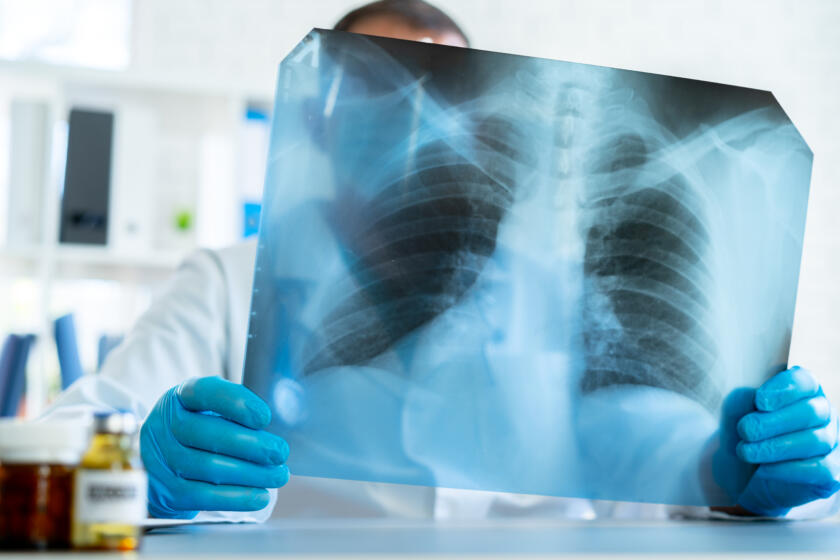
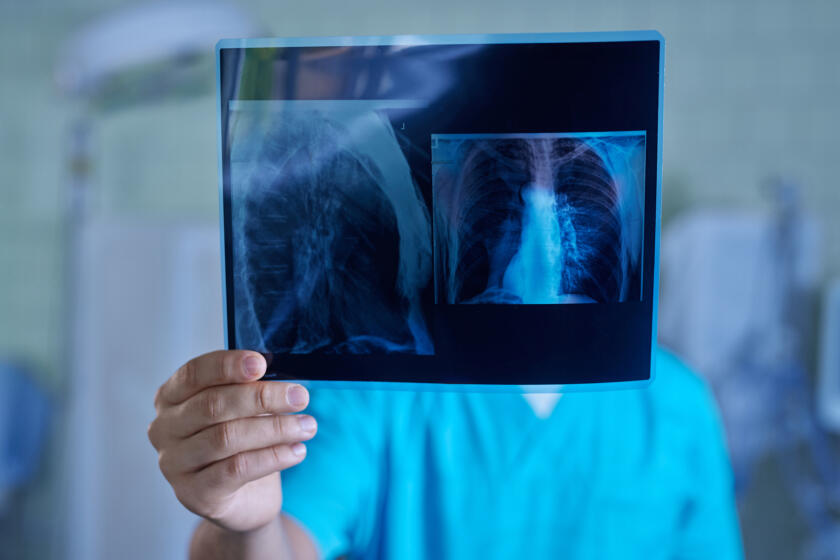
The accumulation of air (pneumothorax) or fluid (pleural effusion) between the membranes surrounding the lung (pleura) due to various reasons causes the lung to collapse and leads to severe shortness of breath. In the management of pleural diseases, a comprehensive treatment process is conducted, ranging from the emergency evacuation of accumulated air or fluid to minimally invasive (VATS) surgical interventions aimed at preventing the recurrence of the disease. Through these interventions, planned specifically for each patient's clinical presentation, the goal is to restore lung functions to full capacity as quickly as possible.
Accumulation of air (pneumothorax) or fluid (pleural effusion) between the membranes surrounding the lung (pleura) due to various reasons causes the lung to collapse and leads to severe shortness of breath. In the management of pleural diseases, a comprehensive treatment process is conducted, ranging from the emergency evacuation of accumulated air or fluid to minimally invasive (VATS) surgical interventions aimed at preventing the recurrence of the disease. Through these interventions, planned specifically for each patient's clinical presentation, the goal is to restore lung functions to full capacity as quickly as possible.
Masses in the mediastinal region, located in the central part of the chest cavity adjacent to the heart and major blood vessels, typically encompass diseases such as thymoma originating from the thymus gland. Surgical interventions in this area are operations that require high-level expertise and technical precision due to their proximity to vital organs. With our contemporary surgical approaches, tumors in this delicate region are resected within safe margins, providing our patients with the most reliable treatment options.
VATS (Video-Assisted Thoracic Surgery), the gold standard in modern lung cancer surgery, is a minimally invasive method performed with the aid of a camera through several small incisions instead of traditional large incisions. Thanks to this closed technique, patients experience significantly less postoperative pain, the risk of infection is reduced, and hospital stays are substantially shortened. With this method, applied through academic expertise and advanced surgical equipment, cancerous tissues are resected with high precision, aiming for patients to return to their daily lives as quickly as possible.